
Exploring the Role of Granulated Sugar
- Levin James
- Sep 29, 2025
- 5 min read

Granulated sugar plays a pivotal role in the global sugar market, especially for industrial buyers and distributors seeking reliable sources of high-quality sugar. The refining process transforms raw sugar into a versatile product used across various industries, from food manufacturing to pharmaceuticals. Understanding the nuances of granulated sugar refining is essential for those involved in sourcing and distributing sugar on a large scale. This article delves into the refining process, the distinctions between sugar types, and the practical implications for global trade.
Understanding Granulated Sugar Refining
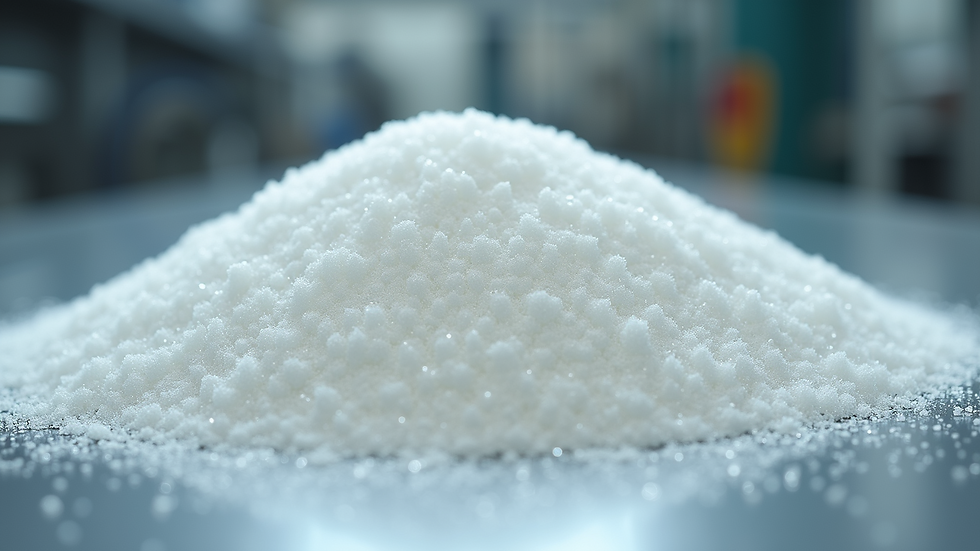
Granulated sugar refining is a multi-step process designed to purify raw sugar extracted from sugarcane or sugar beets. The goal is to produce a consistent, high-purity product suitable for industrial use. The refining process typically involves several key stages:
Affination - Raw sugar crystals are mixed with a syrup to remove the outer coating of molasses.
Melting and Clarification - The sugar is dissolved in water and treated with lime and carbon dioxide to remove impurities.
Decolorization - Activated carbon or ion-exchange resins are used to remove colorants.
Crystallization - The purified syrup is crystallized to form sugar crystals.
Drying and Packaging - The crystals are dried and packaged for distribution.
Each stage is critical to achieving the desired purity and granule size. For example, the decolorization step ensures the sugar is white and free from residual molasses, which can affect taste and appearance.
The global sugar refining industry processes millions of tons annually. According to the International Sugar Organization, world sugar production reached approximately 185 million metric tons in recent years, with Brazil contributing nearly 40% of this output. This scale highlights the importance of efficient refining techniques to meet international demand.
The Impact of Refining on Sugar Quality and Marketability
Refining not only improves the physical and chemical properties of sugar but also enhances its marketability. Refined sugar is preferred in many industrial applications due to its consistent sweetness, solubility, and appearance. The refining process reduces impurities such as ash, colorants, and non-sugar materials, which can affect product quality.
Industrial buyers often require sugar with specific parameters, including:
Purity: Typically above 99.8% sucrose content.
Moisture content: Usually less than 0.05% to prevent clumping.
Granule size: Uniform granules ensure consistent processing in manufacturing.
Brazilian sugar manufacturers have invested heavily in refining technology to meet these standards. Their ability to supply large volumes of high-quality sugar at competitive prices has strengthened Brazil's position as a leading sugar exporter.
The refining process also influences the environmental footprint of sugar production. Modern refineries implement energy-efficient technologies and waste management systems to reduce emissions and water usage. This is increasingly important as buyers prioritize sustainability in their supply chains.

Is Granulated Sugar Just Caster Sugar?
A common question in the sugar industry concerns the difference between granulated sugar and caster sugar. While both are refined sugars, they differ primarily in crystal size and intended use.
Granulated sugar consists of larger crystals, typically ranging from 0.3 to 0.5 millimeters in diameter. This size makes it suitable for general-purpose use, including baking, cooking, and industrial applications where slow dissolution is acceptable.
Caster sugar, also known as superfine sugar, has much smaller crystals, usually less than 0.3 millimeters. The finer texture allows it to dissolve quickly, making it ideal for delicate recipes such as meringues and cocktails.
From a refining perspective, both sugars undergo similar purification steps. However, caster sugar requires additional milling or sieving to achieve the finer granule size. This extra processing can increase production costs.
For industrial buyers, understanding these differences is crucial. Granulated sugar is often preferred for bulk applications due to its lower cost and ease of handling. Caster sugar, while useful in specific contexts, is less common in large-scale industrial supply chains.

Practical Considerations for Sourcing Granulated Sugar
When sourcing granulated sugar, several factors influence purchasing decisions:
Supplier reliability: Consistent quality and timely delivery are essential.
Certification and compliance: Adherence to food safety standards such as ISO 22000 or HACCP.
Pricing and contract terms: Competitive pricing with clear terms on volume, payment, and logistics.
Origin and traceability: Buyers increasingly demand transparency regarding the sugar’s origin and production methods.
Brazilian sugar suppliers have established themselves as dependable partners by offering comprehensive certifications and traceability systems. Their extensive network allows for efficient logistics and large-volume shipments, meeting the needs of global industrial buyers.
Additionally, buyers should consider the form in which sugar is delivered. Bulk shipments in containers or bulk bags are common, but packaging must protect against moisture and contamination.
To optimize procurement, buyers can:
Request detailed product specifications and certificates.
Conduct audits or factory visits when possible.
Negotiate flexible contracts to accommodate market fluctuations.
These steps help ensure the purchase of high-quality granulated sugar that meets industrial requirements.
The Role of Granulated White Sugar in Global Trade
The demand for granulated white sugar continues to grow worldwide, driven by expanding food and beverage industries. This sugar type is a staple ingredient in countless products, from confectionery to soft drinks.
Brazil’s dominance in sugar production and refining positions it as a key player in global trade. The country’s ability to supply large quantities of refined sugar at competitive prices benefits international buyers seeking to secure stable supply chains.
Trade data indicates that Brazil exports over 30 million metric tons of sugar annually, with a significant portion being refined granulated sugar. This volume supports the platform’s goal of connecting buyers with Brazilian manufacturers to facilitate efficient, high-volume transactions.
Moreover, the platform enables buyers to access a wide range of sugar grades and packaging options, tailored to specific industrial needs. This flexibility enhances market responsiveness and supports growth in emerging markets.
Future Trends in Sugar Refining and Trade
The sugar industry is evolving in response to technological advances and shifting market demands. Refining processes are becoming more automated and energy-efficient, reducing costs and environmental impact.
Emerging trends include:
Increased use of renewable energy in refineries.
Advanced filtration and purification technologies to improve sugar quality.
Digital platforms for streamlined sourcing and supply chain management.
These developments will further enhance the role of granulated sugar refining in global trade. Buyers can expect improved product consistency, faster delivery times, and greater transparency.
Sustainability will also play a larger role. Buyers and suppliers are collaborating to reduce carbon footprints and promote responsible sourcing. This aligns with broader corporate social responsibility goals and regulatory requirements.
Staying informed about these trends is essential for industrial buyers to maintain competitive advantage and ensure supply chain resilience.
This exploration of granulated sugar refining highlights its critical role in producing a high-quality product that meets the demands of global industrial buyers. By understanding the refining process, sugar types, and sourcing considerations, buyers can make informed decisions that support efficient trade and market growth. The ongoing evolution of refining technologies and trade platforms promises to strengthen Brazil’s position as a leading sugar supplier worldwide.


Comments